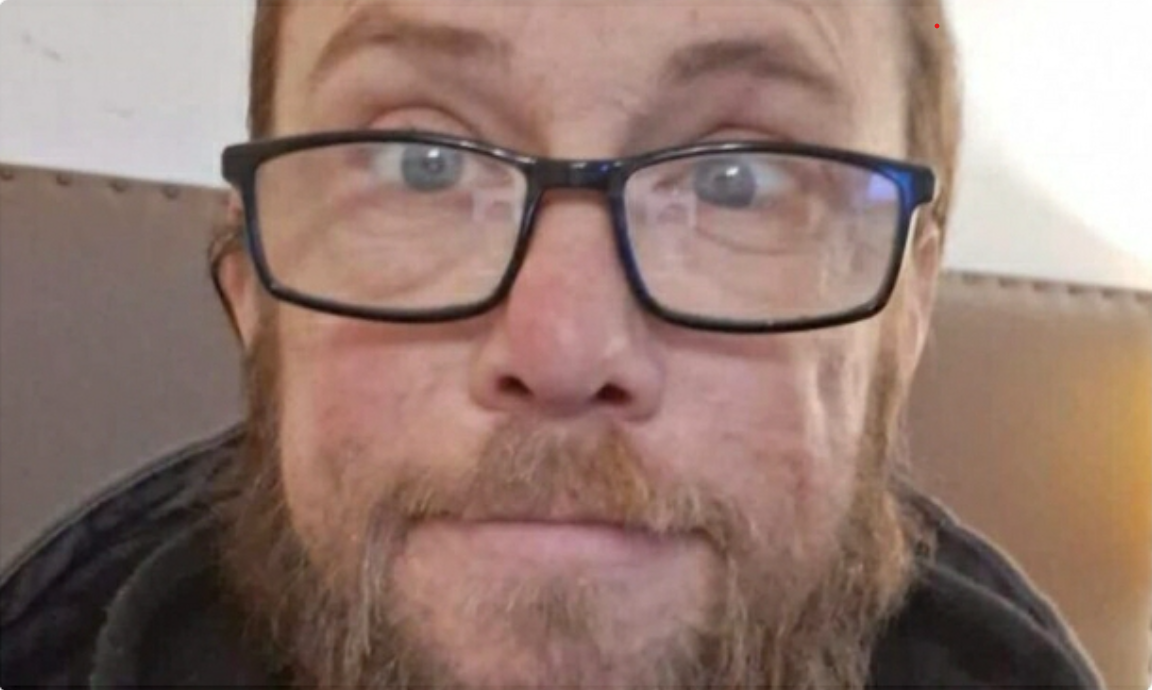
A Life Taken in Cold Blood
The city of Binghamton is reeling, enveloped in a thick shroud of grief and disbelief following the brutal murder of 45-year-old Peter Bennedum. To lose a fellow citizen is always a tragedy, but the nature of this loss—an unprovoked, violent assault that ended a life on a quiet downtown sidewalk—has left us all feeling profoundly shaken. Peter was not just a name in a police report; he was a human being who deserved safety, respect, and dignity. The callousness of his final moments serves as a stark, painful reminder that violence often festers in the places where we least expect it. As we struggle to reconcile the senselessness of his death, we are reminded that every person, regardless of their housing status or life circumstances, possesses an inherent worth that should be honored. Today, the streets where he was beaten feel colder, and the silence left in his wake is a heavy burden for the entire community to bear.
The Chilling Reality of Digital Cruelty
Perhaps the most haunting aspect of this tragedy is the alleged motivation behind it. Reports suggesting that Peter was targeted specifically because of his vulnerability, and that this violence was intended to be documented and shared for the pursuit of social media attention, expose a rot that goes far deeper than a single act of aggression. We are forced to confront a terrifying evolution in cruelty: a digital culture that arguably desensitizes young minds, turning real human suffering into a momentary spectacle for views and likes. This is not just a failure of individual accountability; it is a wake-up call about the influence of the screens we put in front of our children. When humanity is reduced to content, we have lost our moral compass. The investigation into the five teenagers involved is essential, but the deeper investigation must happen in our own homes, schools, and communities, where we must teach that empathy is not an option—it is a requirement for survival.
Seeking Justice and a Return to Humanity
As the legal process unfolds and charges are leveled against those involved, the community of Binghamton finds itself at a crossroads. Justice for Peter Bennedum is the priority, but healing requires something more than just a verdict. It requires a collective commitment to protecting the most vulnerable among us. We cannot let Peter’s legacy be the violence that claimed him; instead, let it be the catalyst for the change we so desperately need. We must turn our outrage into action, looking out for our neighbors, advocating for the marginalized, and fostering a culture of compassion that actively combats the cruelty he endured. Peter’s story is a tragic mirror held up to society, reflecting our failings, yes, but also offering us the opportunity to do better. May his memory inspire us to be the guardians of one another, and may we never forget that kindness is the only antidote to the darkness that took him from us.
