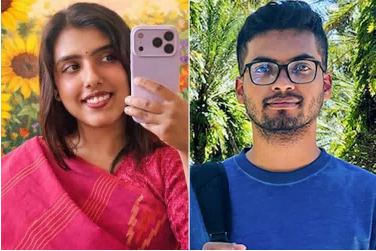
A Community Plunged into Mourning
The halls of the University of South Florida, usually vibrant with the pursuit of knowledge and the promise of future breakthroughs, have fallen silent under a heavy shroud of grief. Zamil Limon, a student of geography and environmental science, and Nahida Bristy, a dedicated scholar of chemical engineering, represented the very best of academic ambition and cross-cultural friendship. Their lives, filled with hope and the innocent anticipation of a future together, were extinguished in an act of senseless violence that has left classmates, professors, and the local Bangladeshi community utterly devastated.
This tragedy goes beyond the loss of two promising lives; it strikes at the core of the sense of security that students seek when moving abroad to pursue their dreams. The heartbreak is palpable in every statement from the university and every vigil held in their honor. We are reminded, in the most painful way possible, that those we trust—even those we live beside—can harbor darkness that defies comprehension.
The Horror of a Calculated Betrayal
As details emerge, the nature of this tragedy becomes even more difficult to process. Authorities have described the killings as premeditated, noting that the suspect had allegedly searched for information on how to commit the act, purchased disposal supplies, and methodically concealed the evidence. To think that two individuals could be so callously targeted by a roommate—someone who shared their living space and daily routines—is a betrayal that chills the soul.
The investigation has revealed a trail of disturbing evidence: luminol-revealed blood patterns, deleted digital footprints, and calculated efforts to hide the victims’ remains in the bay. This was not a sudden burst of rage, but a deliberate plan that stripped away the safety of a home environment. The victims, who were last seen on a normal Thursday, had no way of knowing their trust had been so fatally misplaced.
Seeking Light in the Aftermath
While the justice system proceeds with charges of first-degree murder, the path forward for the victims’ families is incomprehensibly difficult. Thousands of miles away from home, these families are grappling with the news that their loved ones will not return. The focus must now shift to supporting those left behind and honoring the memories of Zamil and Nahida as the brilliant, talented, and kind individuals they were.
In times of such profound darkness, we look for ways to come together. We must support the USF community as they navigate this trauma and ensure that the voices of these two students are not defined solely by the tragedy of their deaths, but by the light of their contributions and the dreams they held. Their story is a reminder to value every connection, to cherish our safety, and to stand as a community when one of our own is lost.
