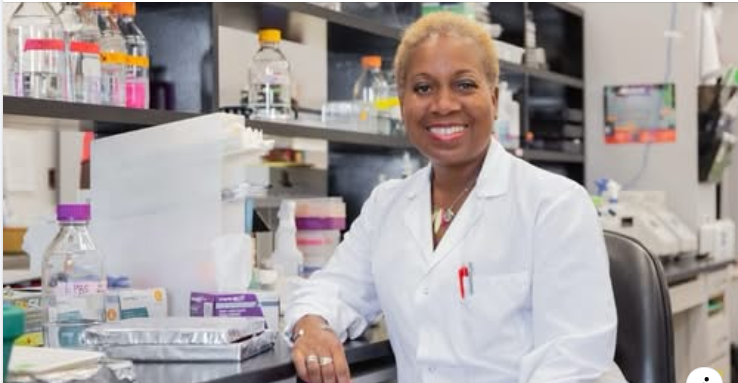
A Brilliant Mind and a Heart for Humanity
The scientific world stands a little dimmer today with the passing of Dr. Juliet Daniel. As a world-renowned cancer biologist, Dr. Daniel was not just a researcher; she was a beacon of hope for countless families. Her discovery of the Kaiso gene—poetically named after the calypso music of her native Barbados—unlocked new understanding of how cancer cells proliferate and spread. She possessed that rare combination of elite academic rigor and a deeply human touch, always remembering the faces and stories behind the data points in her lab. From the halls of McMaster University to the international stages of cancer research conferences, she was a fierce advocate for those whose voices are often silenced in medicine.
Fighting the Silent Enemy: A Personal and Professional Crusade
Dr. Daniel’s journey was fueled by a profound personal mission. After losing her mother to cancer, she pivoted from medicine to research, determined to find answers where there were only questions. Ironically, the very disease she spent her life studying—breast cancer—became her own personal battle. As a researcher, she focused specifically on triple-negative breast cancer (TNBC), a particularly aggressive form of the disease that disproportionately affects Black women. She understood better than anyone the health inequities that exist within our systems, and she worked tirelessly to bridge those gaps. Her fight was double-edged: she battled the disease in the lab with her students and in her own life with unwavering grace.
A Legacy That Will Never Fade
Though Dr. Juliet Daniel has passed, her impact is etched into the very foundation of modern biology and the Canadian Black scientific community. As the co-founder of the Canadian Black Scientists Network, she opened doors for generations of scholars who finally saw themselves reflected in the highest levels of academia. She was a mentor who believed in the power of representation, often being the “only one” in the room and making it her mission to ensure she was not the last. Her legacy lives on in the students she trained, the lives saved by her research, and the vibrant Barbadian-Canadian community she represented so proudly. We do not just mourn a professor; we celebrate a pioneer who changed the world one cell at a time.
