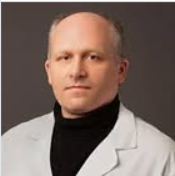
A Titan of Radiology and a Global Healing Hand
The passing of Dr. Brian Englander marks the end of a remarkable chapter for Penn Medicine and the global medical community. At the peak of a career defined by surgical precision and academic rigor, Dr. Englander served as a beacon of progress in breast cancer detection. His work as the Chairman of Radiology at Pennsylvania Hospital was characterized by a rare blend of high-level administrative leadership and hands-on clinical care. However, his impact was felt far beyond the zip codes of Philadelphia. Through his work with the Benek Global Health Project, he dedicated himself to addressing healthcare inequities in underserved regions across Africa and Asia. The “profound sense of loss” currently felt in the academic world is a reflection of a man who didn’t just teach medicine—he lived it as a mission of service.
A Legacy of Mentorship and Scientific Excellence
What set Dr. Brian Englander apart was his ability to inspire the next generation of physicians. As a Professor of Clinical Radiology, he was a beloved educator known for translating complex diagnostic imaging into life-saving action. His sub-specialization in breast ultrasound, MRI-guided biopsies, and cryoablation made him a pioneer in the fight against cancer. To his fellows and residents, he was more than an instructor; he was a mentor who modeled the “heart and respect” required in patient care. His legacy is etched into the countless clinical protocols he established and the researchers he empowered to pursue truth in medicine. To remember Dr. Englander is to remember a man who saw the human being behind every scan, ensuring that every woman, regardless of her location or background, received the dignity of world-class care.
A Heartbroken Community Unites in Tribute
As the University of Pennsylvania and the wider medical circles gather to honor Dr. Englander, the outpouring of grief serves as a testament to the depth of his character. From his early days as Chief Resident at Thomas Jefferson University to his leadership at the Integrated Breast Center, Brian was a man of immense integrity. This “sudden and heartbreaking” loss has brought together thousands of colleagues who viewed him as the gold standard of professional excellence. While the medical community faces a future without his steady hand, they carry forward the lessons he taught: that innovation is meaningless without compassion, and that global health is a shared responsibility. The light he brought to the field of radiology will continue to shine through the students he taught and the patients whose lives were forever changed by his care.
